From Oppression to Empowerment
How can lofty spiritual principles be reconciled with the grim realities of racism, poverty, and violence?
What can we learn from the dynamics of injustice in order to appreciate the potentialities inherent in
humankind? In what ways might the Bahá’í approach resemble or differ from conventional social and
political activism? This panel will reflect on these themes based on exceptional grassroots engagement,
ranging from holistic health and community transformation on the Mexican border, to retrieving
spiritual identity through Navajo traditions, to African‐American gospel music as a social force, and the
history of racial unity in South Carolina.
Nanabah Bulman
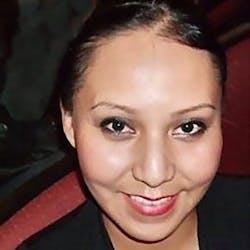
Nanabah Foguth Bulman is from the Navajo reservation in Northern Arizona. She has worked closely with the junior youth program and has been working at the Native American Bahá’í Institute as program coordinator. Her focus is creating spaces for local resources to explore how elements in our culture are reinforced by principles of the Faith.
Marilyn Calderon
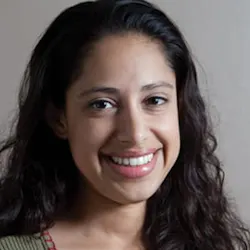
Marilyn Calderon is family medicine doctor in Chula Vista, a suburb south of San Diego, close to the
Eric Dozier
Through the Children’s Theater Company and the Escambia Collective, Eric has valuable insights into issues of equity, justice, and systems change through philanthropic efforts and how they intersect with the Community Building Process. He is also the CEO of mobileSOULcafé, a Bahá'í-inspired virtual watering hole designed to connect creatives doing the work of oneness to the folks and funding sources that can lend support.

Louis Venters
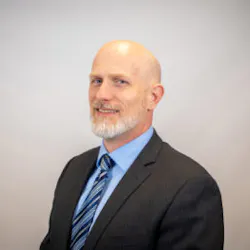
Louis Venters is an associate professor of African, African American, and southern U.S. history at
39th Annual Conference
Advancing the Life of the Mind
The views expressed in this recording are those of the presenters and do not necessarily represent the views of the Association for Bahá’í Studies, nor the authoritative explications of Bahá’í writings.